You Don’t Need More Storage. You Need Fewer Decisions.
A lot of people assume their home feels overwhelming because they do not have enough storage.
More bins.
More baskets.
More containers.
More drawer organizers.
But in many homes, the real problem is not storage. It is decision fatigue.
When every surface is crowded, every drawer is overfilled, and every category becomes overly complicated, even simple routines start to feel mentally exhausting.
Where does this go?
Why is this cabinet impossible to maintain?
Why do I avoid dealing with this room entirely?
Why does my home still feel stressful even after I cleaned it?
Those tiny decisions add up quickly.
Over time, people stop interacting with their spaces intentionally because the systems require too much mental energy to maintain consistently.
Why Decision Fatigue Builds at Home
Decision fatigue builds quietly.
A demanding schedule.
Constant multitasking.
Working from home.
Burnout.
A move.
Downsizing.
Major life transitions.
Trying to manage too many things at once.
Eventually the systems that once worked no longer support the way someone actually lives day to day.
People often respond by adding more storage products, but more containers do not automatically create better systems.
In fact, overly complicated organizing systems can sometimes create even more mental load.
Too many micro-categories.
Too many steps.
Too many places things are supposed to go.
If maintaining the system feels exhausting, people usually stop using it.
More Storage Does Not Always Solve the Problem
Some of the most functional homes I have worked in were not the ones with the most storage. They were the ones with the clearest systems.
Accessible categories.
Logical placement.
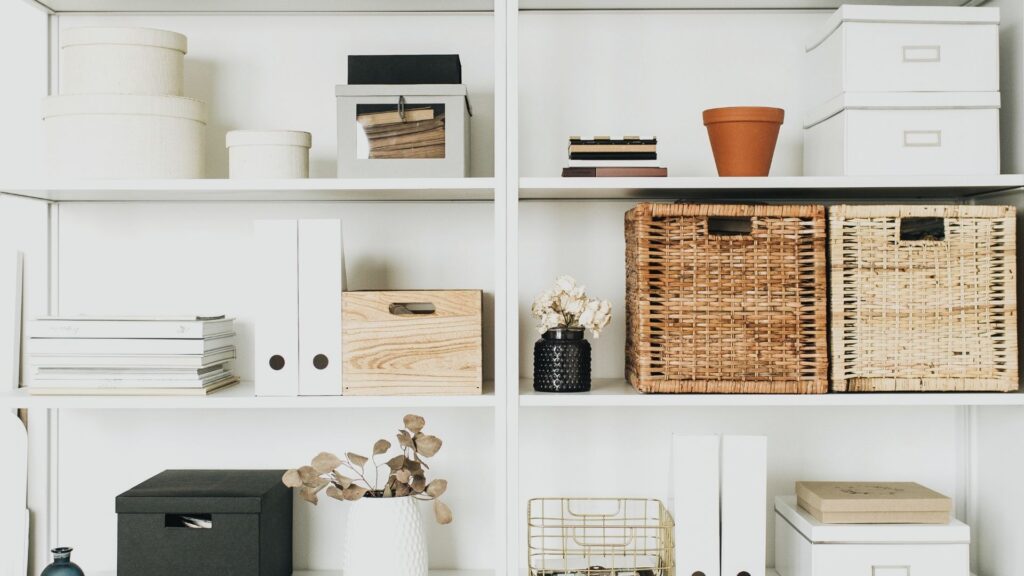
Breathing room on shelves.
Realistic routines.
Open space matters too.
When every cabinet, shelf, and closet is completely packed, the home becomes harder to maintain over time. Even simple tasks begin to feel heavier because there is no flexibility built into the system.
That does not mean a home needs to feel minimal or empty.
It means the space should support daily life instead of creating more friction.
Simpler Systems Are Easier to Maintain
The most sustainable organizing systems are usually the simplest ones.
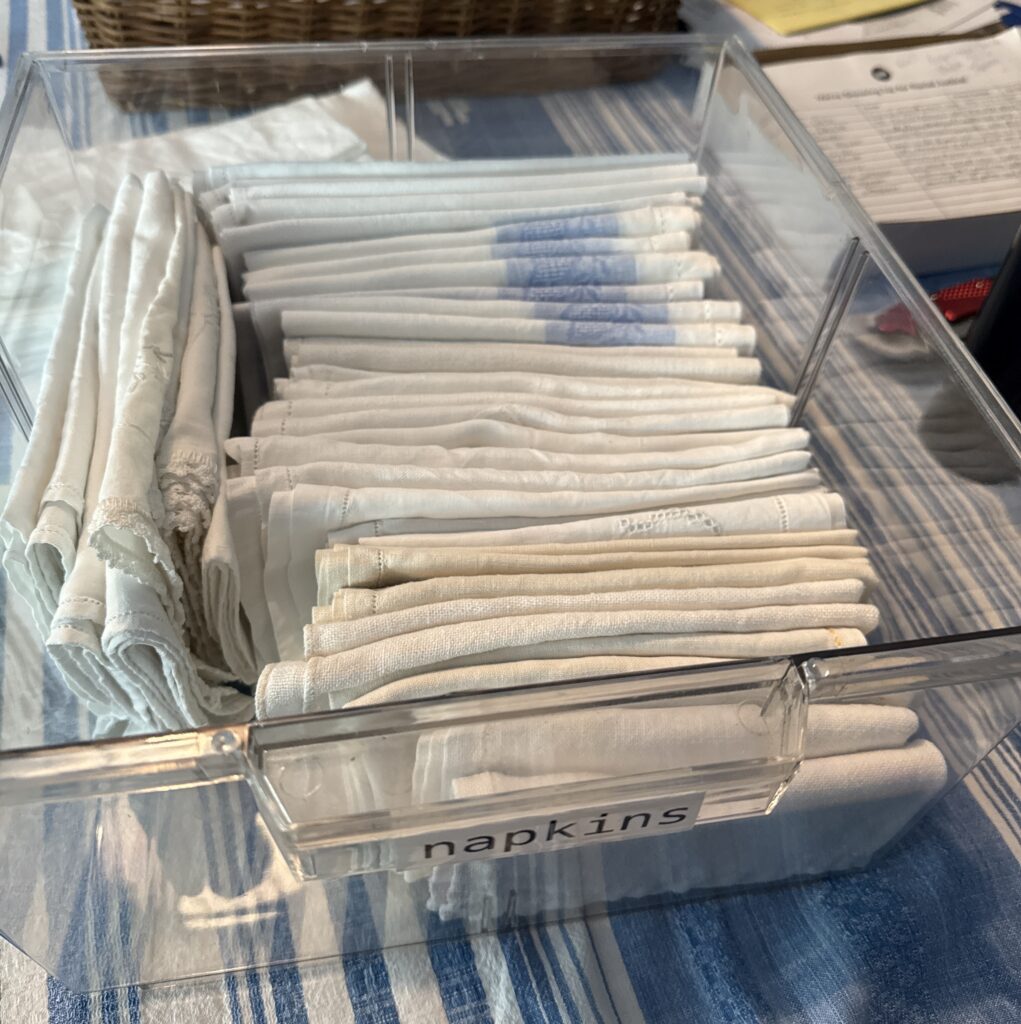
Clear categories.
Easy access.
Systems designed around real habits instead of idealized routines.
Because the goal is not perfection.
The goal is creating a home that feels calmer, functions more easily, and requires less mental energy to maintain.
A good system should reduce decision-making, not increase it.
And sometimes the most impactful reset is not adding more storage at all.
Sometimes it is removing enough friction that the space finally starts working for you again.
If your home no longer supports the way you actually live day to day, a thoughtful reset can make everyday routines feel significantly lighter.
Henry County, GA • Select SF Bay Area Clients • Virtual